

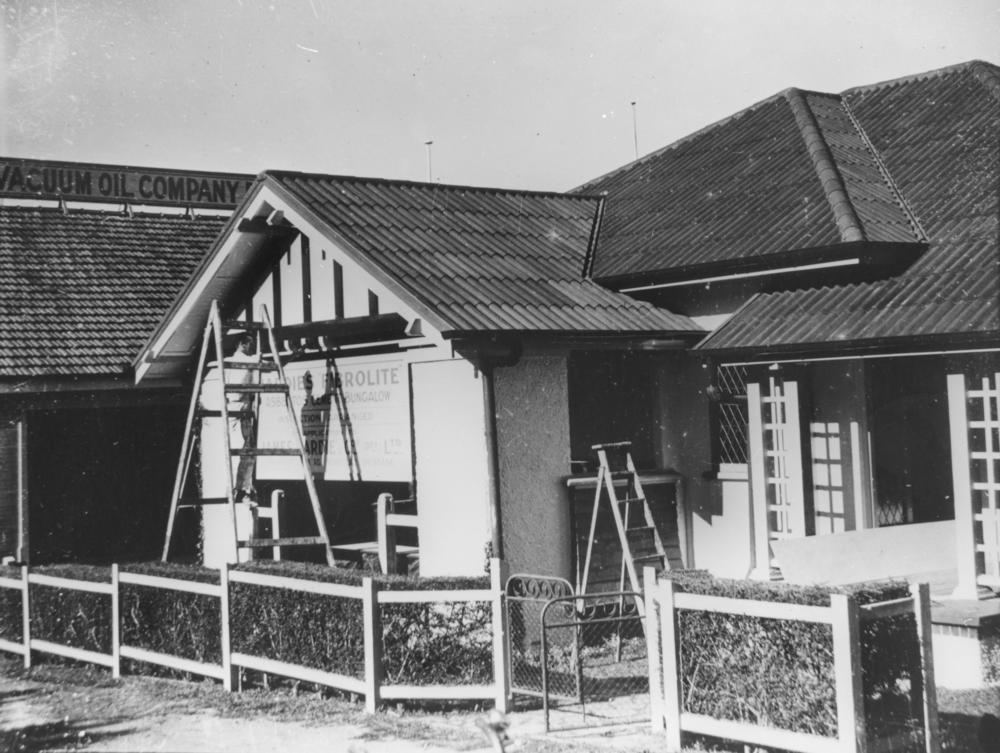
In village halls and small museums across the country, local history societies are keeping the stories of their towns alive, gathering photographs, memories and records that might otherwise be lost. The societies are run by volunteers, many of them retired, who spend their evenings sorting boxes of old pictures, recording interviews with older residents, and leading walks around the streets where history happened. They say the work matters because a town that forgets its past loses part of what makes it a community, and that new residents are often the keenest to learn how their streets came to be. Exhibitions draw crowds, especially when they show familiar places as they once were, with shops, factories and trams that have long since vanished. Schools invite society members to talk to pupils, and family historians turn to their archives to trace ancestors who lived and worked in the town. The societies say their collections are growing, as families donate albums and letters found in attics.
What the Evidence Shows
Historians say the societies do work that no one else will, since official archives keep the records of government and business, while local societies keep the everyday life of ordinary people. They point to the interviews with older residents as especially precious, since memories of wartime, of vanished industries and of streets before the motor car cannot be recovered once the people who hold them are gone. Many societies now put their collections online, so that photographs and records can be seen by anyone, anywhere, and some run projects to map old buildings and record their stories before they are demolished. The challenge, they say, is finding younger volunteers to carry the work on, since the members who built the archives are ageing. For the towns they serve, the societies are a quiet treasure, and their message is simple: the past is not far away, it is written in the streets we walk every day. Reporting and analysis from sources such as BBC News track the same developments, and specialists following the work of local history societies say the direction is now consistent across independent lines of evidence.
The Wider Context
The wider context is a public conversation conducted at a speed institutions were not built for. Developments around the work of local history societies are announced, contested and revised within a single news cycle, and the officials involved have learned to publish evidence alongside claims so that scrutiny can actually occur. Trust, the polling suggests, follows that transparency more than it follows confidence.
What Happens Next
What happens next in the story of the work of local history societies will be decided in the places where it is being implemented, measured and argued about in public. The officials and organisations involved have committed to publishing progress data, and that commitment gives residents, businesses and journalists something firmer than promises to judge. The next milestones are dated, which means they can be checked. You can follow related developments in our coverage of news.
None of this will be settled by a single announcement, study or product launch. The pattern to watch is accumulation: independent confirmations, honest reporting of failures and steady improvement in the underlying numbers. Readers who follow those signals, rather than the loudest claim of the week, will understand this subject better than most of the commentary surrounding it suggests is possible.
