

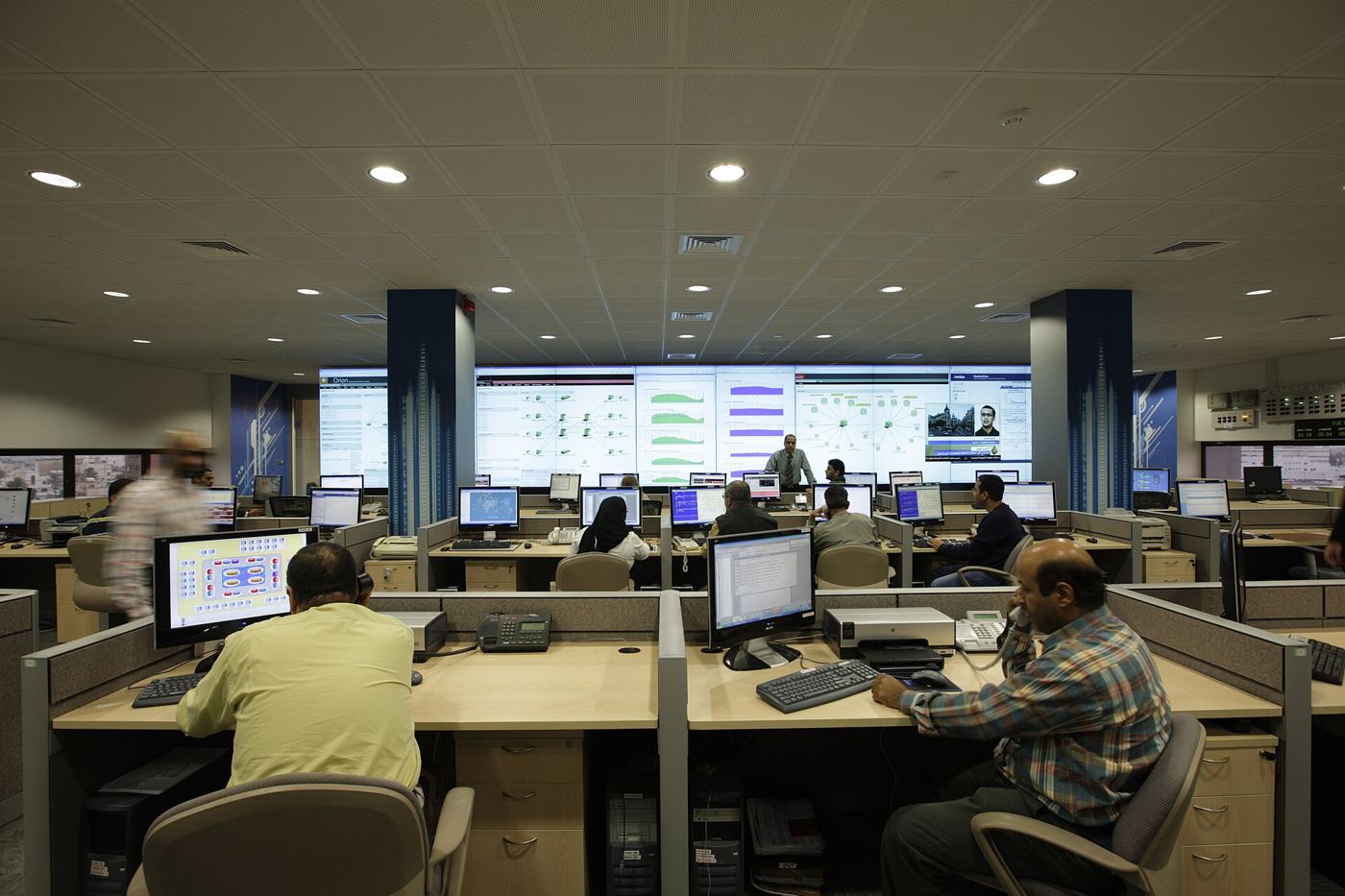
Inside a security operations centre, the working day never really ends. Screens show alerts streaming in from company networks around the world, and analysts work in shifts so that someone is always watching, including through the night and at weekends. Each alert is a possible sign of trouble: a login from an unusual location, a computer contacting a suspicious server, or a file behaving in a way no legitimate software should. Most alerts turn out to be harmless, but the analyst’s job is to spot the few that are not, and to do it quickly, because an intruder who stays undetected for days can steal far more than one caught within the hour. Modern centres combine automated tools that collect and filter the flood of data with human judgement that understands context, such as whether a late-night login belongs to a travelling executive or to a stolen password being tested from abroad.
What the Evidence Shows
The hardest problem these centres face is not a lack of data but too much of it, and the best teams are investing heavily in deciding what deserves human attention. Machine learning tools now rank alerts by risk, group related events into single incidents, and even suggest the next steps an analyst should take. That automation matters because skilled analysts are scarce, and burnout is common in a role that demands constant vigilance. Centres also run regular exercises, simulating ransomware attacks or data theft so the team can practise its response before a real incident arrives. Smaller organisations that cannot staff a centre around the clock increasingly buy the service from specialist firms, sharing analysts across many clients. Security leaders say the goal is the same at every size: to shrink the gap between an attack beginning and someone noticing, because in cyber defence, minutes are often the difference between a blocked attempt and a costly breach. Reporting and analysis from sources such as IEEE Spectrum track the same developments, and specialists following the round-the-clock security centres say the direction is now consistent across independent lines of evidence.
The Wider Context
Adoption of the round-the-clock security centres follows a familiar pattern with an unfamiliar speed. Early users tolerate rough edges in exchange for advantage, mainstream users arrive when the tool disappears into existing workflows, and the market consolidates around whoever made that transition feel effortless. Vendors are racing less on raw performance now than on integration, support and trust.
What Happens Next
The realistic forecast for the round-the-clock security centres is steady integration rather than sudden replacement: embedded in products people already use, improving in increments, and regulated in proportion to its reach. The companies and institutions that plan on that basis, training staff and redesigning processes instead of chasing launches, are the ones the adoption data tends to vindicate. You can follow related developments in our coverage of technology.
It is also worth remembering how quickly the picture in this area has changed before. Positions that looked settled a few years ago have been revised as new data arrived, and the same humility is appropriate now. The strongest coverage of this subject, and the most useful advice, tends to come from sources that update their views openly when the facts move, rather than defending an earlier position long after it has stopped fitting the evidence available.
