
Close Menu
Journal Noted
    Facebook X (Twitter) Instagram
    Trending
    • On Device AI Chips Bring Faster Features to New Smartphones
    • Arctic Sea Ice Monitoring Combines Satellites and Field Stations
    • Flood Cleanup Crews Push Councils to Fix Drains, Not Just Mop Up
    • Thinner Arctic Ice Is Creating New Risks for Ships Chasing Shorter Routes
    • Cities Upgrade Lightning Warnings as Storm Seasons Grow Longer
    • Cities Expand Night Bus Services for Shift Workers and Late Travellers
    • Tidy Server Cabling Helps Data Centres Stay Cooler
    • Protected Junctions Tackle Cycling’s Riskiest Point
    Facebook X (Twitter) Instagram Pinterest Vimeo
    Journal Noted
    • Home
    • Tech
    • Health
    • Finance
    • Business
    • Culture
    Journal Noted
    Home»Blog»Arctic Sea Ice Monitoring Combines Satellites and Field Stations
    Blog

    Arctic Sea Ice Monitoring Combines Satellites and Field Stations

    Ines CostaBy Ines CostaNovember 3, 2026No Comments3 Mins Read
    Share Facebook Twitter Pinterest LinkedIn Tumblr Reddit Telegram Email
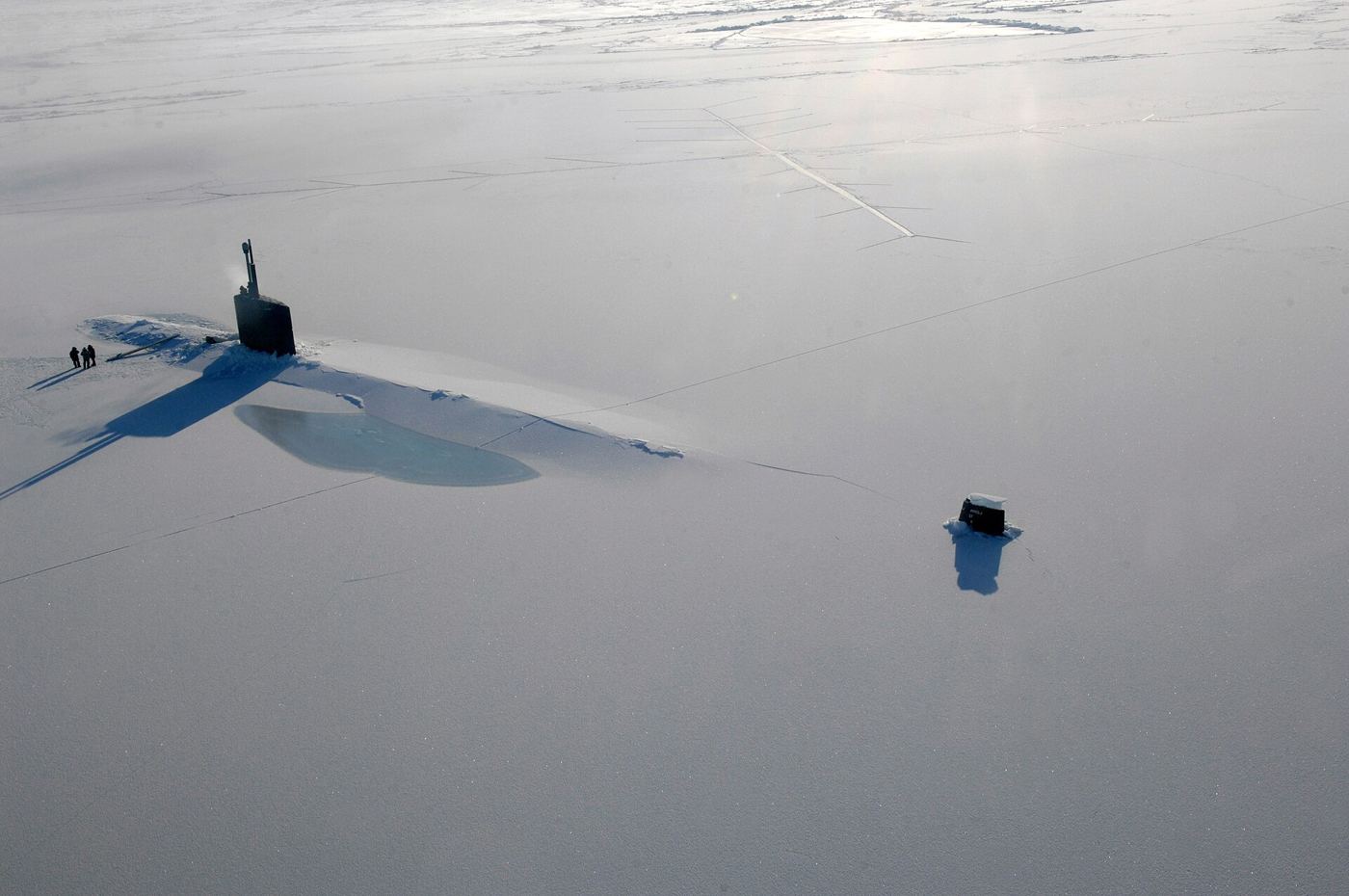
    Broken sheets of white sea ice float on dark Arctic ocean water.

    Scientists monitoring Arctic sea ice are combining satellite measurements with readings from remote field stations to build a clearer picture of how the frozen ocean changes through the seasons. Satellites can track the overall extent of ice cover over vast areas, while instruments placed on the ice itself record thickness, temperature, and movement that cannot be seen from space alone. Researchers say comparing both sources helps correct errors and reveals where thinning is happening fastest. The long term record matters because sea ice influences weather patterns, ocean currents, wildlife habitat, and the amount of sunlight the planet reflects back into space during bright polar months.

    What the Evidence Shows

    Field teams face difficult conditions, including shifting ice, extreme cold, and limited daylight in winter, so many stations now transmit data automatically and store backup readings in case communications fail. Scientists check those transmissions against satellite passes to confirm that sensors have not drifted or been buried by snow. The combined data set is shared openly with forecasting centres and universities, allowing different groups to test their models against the same observations. Researchers caution that a single season does not define a trend, but they say consistent monitoring over many years is essential for understanding how the Arctic is responding to a warming climate. Reporting and analysis from sources such as Nature track the same developments, and specialists following arctic sea ice monitoring say the direction is now consistent across independent lines of evidence.

    The Wider Context

    The wider context is a research landscape in which replication and open data now decide reputations. Findings connected to arctic sea ice monitoring are being checked by independent groups with shared datasets, and the teams involved publish their methods in full so rivals can test every step. That discipline is slower than a headline cycle, but it is why results in this area increasingly survive first contact with scrutiny.

    What Happens Next

    What happens next in the story of arctic sea ice monitoring will be decided by follow-up work already under way: larger samples, longer observation and instruments that have not yet come online. The researchers involved are unusually united on one point, that the current results justify the next investment of time and money. Readers will not have to wait long for the first tests of that claim. You can follow related developments in our coverage of science.

    None of this will be settled by a single announcement, study or product launch. The pattern to watch is accumulation: independent confirmations, honest reporting of failures and steady improvement in the underlying numbers. Readers who follow those signals, rather than the loudest claim of the week, will understand this subject better than most of the commentary surrounding it suggests is possible.

    There is a practical lesson in all of this for readers deciding what to do today. Start with the verified facts, be wary of anyone promising certainty, and prefer reversible steps while the evidence is still developing. Circumstances differ by country, income and personal situation, so general guidance should always be weighed against your own context before you act on it in any significant or lasting way.

    arctic ice climate monitoring Satellites
    Previous ArticleFlood Cleanup Crews Push Councils to Fix Drains, Not Just Mop Up
    Next Article On Device AI Chips Bring Faster Features to New Smartphones
    Ines Costa

    Related Posts

    Blog

    Flood Cleanup Crews Push Councils to Fix Drains, Not Just Mop Up

    November 2, 2026
    Blog

    Thinner Arctic Ice Is Creating New Risks for Ships Chasing Shorter Routes

    November 2, 2026
    Blog

    Cities Upgrade Lightning Warnings as Storm Seasons Grow Longer

    November 1, 2026
    Add A Comment
    Leave A Reply Cancel Reply

    Search
    Recent Posts

    Gen Z’s Vintage Craze: Nostalgia Driving a Cultural Revival

    June 24, 2025104 Views

    Heritage Cuisine as a Pillar of Cultural Identity

    June 24, 202592 Views

    CES 2025: Everyday Life Transformed by AI Gadgets

    June 30, 202576 Views

    Emerging Innovations Shaping Telehealth in 2025

    June 29, 202576 Views

    Quantum Leaps 2025: Vision to Innovation

    June 30, 202575 Views

    Top 10 Generative AI Platforms Transforming Workflows in 2025

    June 30, 202572 Views
    About Us

    Journal Noted offers expert insights on technology health business finance study travel reviews. A trusted platform inspiring curious minds with clear valuable content.

    Discover trends tips guides and honest evaluations designed to inform empower and engage readers seeking knowledge growth success across diverse fields and interests worldwide. #JournalNoted

    Facebook X (Twitter) Instagram LinkedIn
    Popular Posts

    Gen Z’s Vintage Craze: Nostalgia Driving a Cultural Revival

    June 24, 2025104 Views

    Heritage Cuisine as a Pillar of Cultural Identity

    June 24, 202592 Views

    CES 2025: Everyday Life Transformed by AI Gadgets

    June 30, 202576 Views
    Contact Us

    Have any questions or need support? Don’t hesitate to get in touch—we’re here to assist you!

    • Email: [email protected]
    • Whatsapp: +92 3055631208
    • Facebook: Outreachmedia

    Address: 940 S Westwood Blvd, Poplar Bluff, Missouri, United States

    • About Us
    • Contact Us
    • Disclaimer
    • Privacy Policy
    • Terms and Conditions
    • Write For Us
    • Sitemap
    Copyright © 2026 | All Rights Reserved | Journal Noted

    Type above and press Enter to search. Press Esc to cancel.

    WhatsApp us