

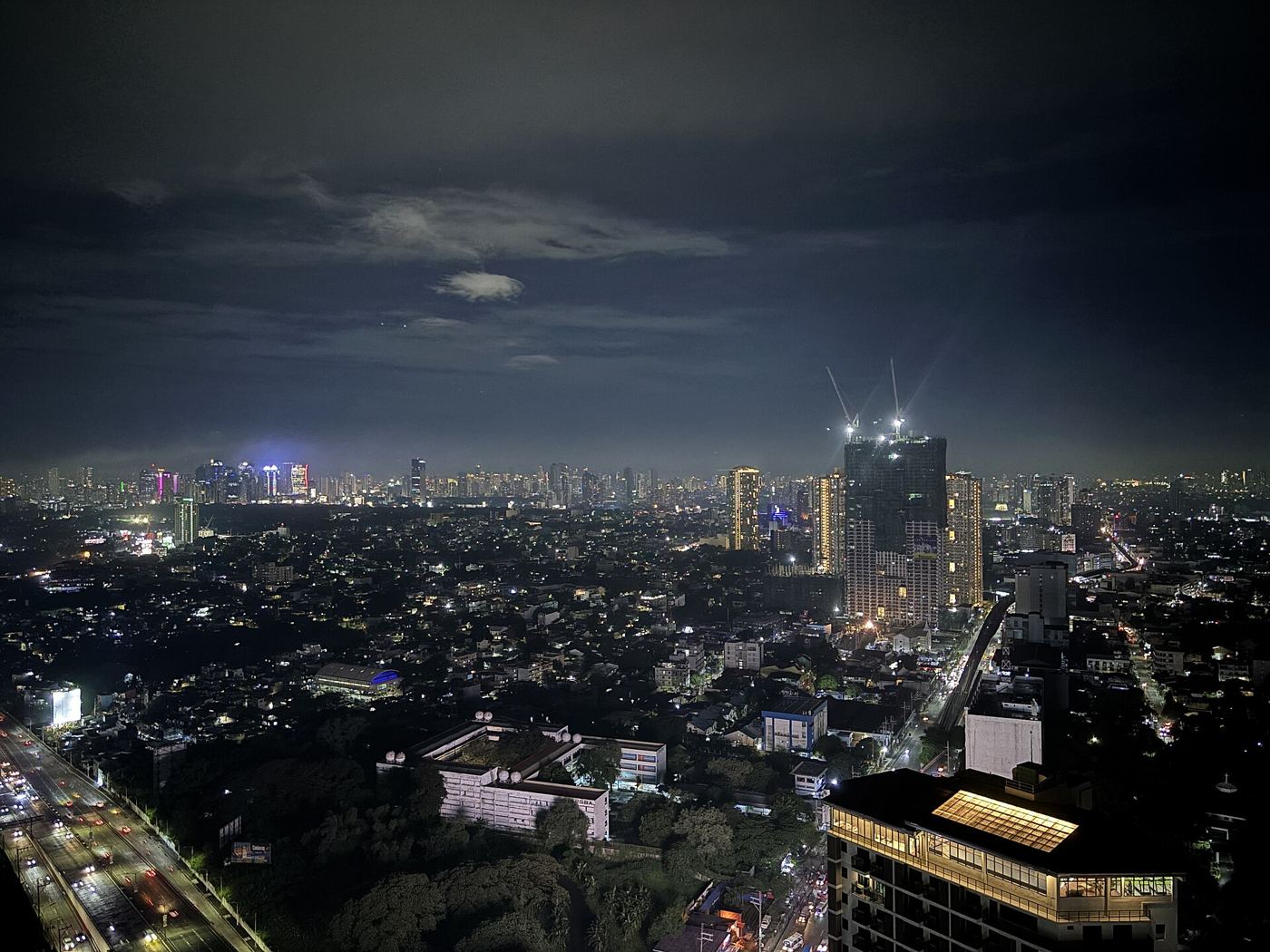
Prime Minister Narendra Modi has arrived in Manila for the Quad summit and the wider ASEAN and East Asia meetings, with India-Philippines defence ties high on the agenda. The visit brings together the leaders of India, the United States, Japan and Australia, the four countries that make up the Quad grouping, at a time of growing strategic competition in the Indo-Pacific. Officials say discussions will cover maritime security, supply chains, technology cooperation and disaster response, alongside the bilateral relationship between India and the Philippines. The four-nation grouping has grown steadily in importance since it was revived in 2017, and its members say it is focused on practical cooperation rather than on forming a military alliance, though critics in Beijing see it differently.
What the Evidence Shows
The Manila meetings come as the Philippines seeks to strengthen its defence partnerships amid continuing tensions in the South China Sea, where its vessels have repeatedly clashed with Chinese ships. India has been expanding its own security cooperation in Southeast Asia, including defence sales and joint exercises, and the two countries are expected to announce new steps in that direction. Analysts say the Quad’s challenge is to show that it can deliver practical results, from coastguard cooperation to infrastructure investment, rather than simply issuing statements. Beyond security, the leaders are expected to discuss cooperation on clean energy, critical minerals and undersea cables, areas where the four countries believe they can offer the region an alternative to dependence on any single power. The Philippines has welcomed the attention, and officials in Manila say the visit underlines how central their country has become to regional security. Reporting and analysis from sources such as BBC News track the same developments, and specialists following the Quad summit meeting in Manila say the direction is now consistent across independent lines of evidence.
The Wider Context
The wider context is a public conversation conducted at a speed institutions were not built for. Developments around the Quad summit meeting in Manila are announced, contested and revised within a single news cycle, and the officials involved have learned to publish evidence alongside claims so that scrutiny can actually occur. Trust, the polling suggests, follows that transparency more than it follows confidence.
What Happens Next
What happens next in the story of the Quad summit meeting in Manila will be decided in the places where it is being implemented, measured and argued about in public. The officials and organisations involved have committed to publishing progress data, and that commitment gives residents, businesses and journalists something firmer than promises to judge. The next milestones are dated, which means they can be checked. You can follow related developments in our coverage of news.
None of this will be settled by a single announcement, study or product launch. The pattern to watch is accumulation: independent confirmations, honest reporting of failures and steady improvement in the underlying numbers. Readers who follow those signals, rather than the loudest claim of the week, will understand this subject better than most of the commentary surrounding it suggests is possible.
