

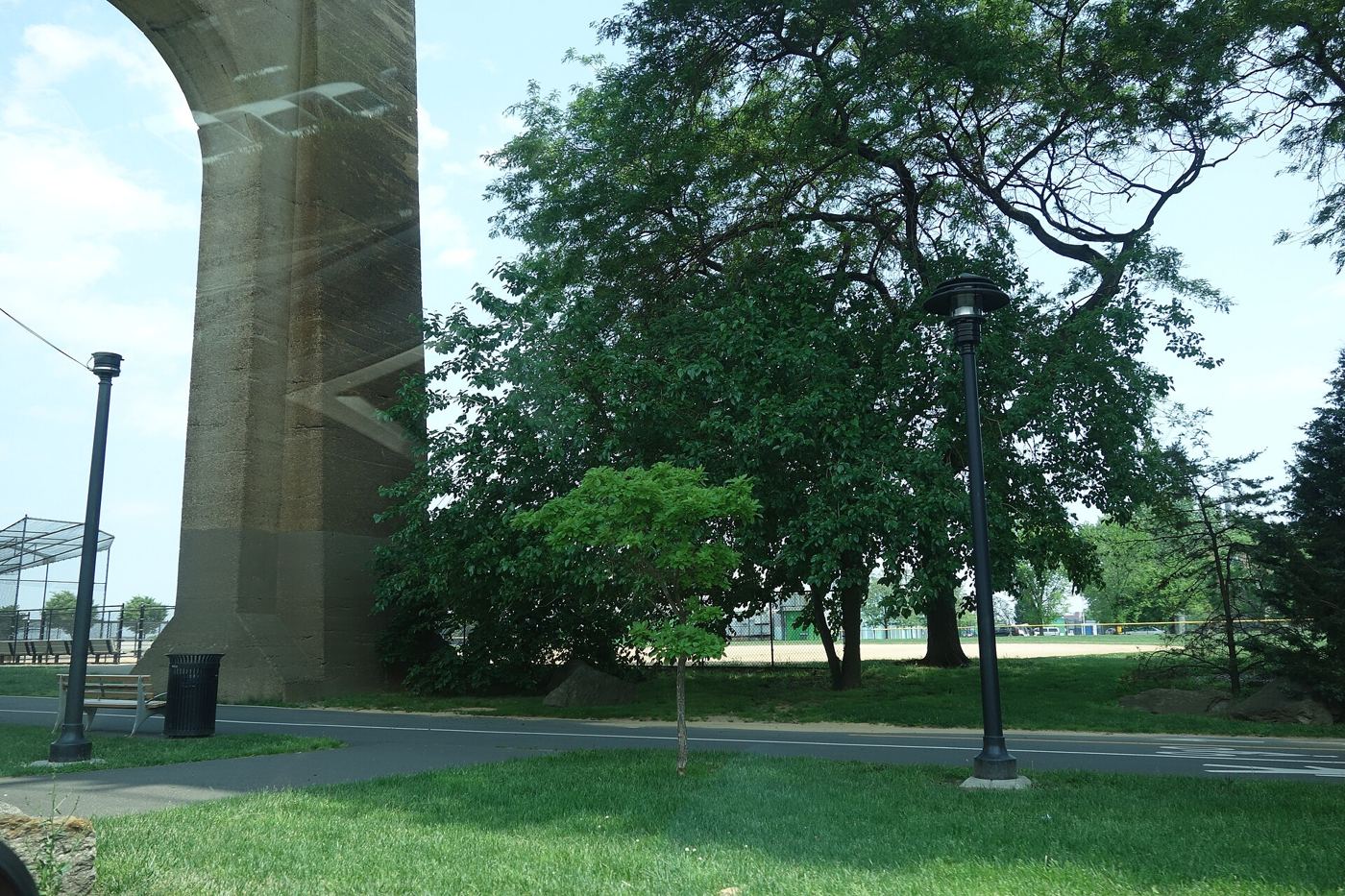
Volunteers and parks staff have planted hundreds of native trees along popular walking pathways in the city’s parks this month, in a scheme designed to bring more shade, cleaner air and better habitat for birds and insects. The planting lists favour species suited to local soils, including oak, hornbeam and wild cherry, chosen to provide blossom in spring, food for wildlife in autumn and varied colour through the year. Each young tree is being staked, mulched and watered under a three-year care plan, after earlier projects showed that many losses happen in the first dry summer rather than at planting. Schools near the parks have adopted individual trees, and pupils will record their growth as part of science lessons. Parks managers say the pathways were chosen first because they are the most heavily used parts of each park, so the benefits of shade and shelter will reach the greatest number of walkers, runners and families.
What the Evidence Shows
The programme is funded through a mix of council money, business sponsorship and grants aimed at increasing urban tree cover. National studies suggest city trees are worth far more in cooling, flood relief and wellbeing than they cost to maintain, but only when species are matched carefully to the space available above and below ground. Planting teams have avoided routes used by utility companies and left clear sightlines at path junctions for safety. Some older trees removed after storm damage are being replaced at a ratio of three new trees for each one lost, reflecting the decades it takes for a canopy to mature. Residents can suggest locations for the next round of planting through the council website, and a map will show where this season’s trees have gone in. Rangers say the young trees will need public patience as much as water, asking dog walkers to keep animals from digging around the roots while the trees establish over their first two winters. Reporting and analysis from sources such as BBC News track the same developments, and specialists following native trees planted along park pathways say the direction is now consistent across independent lines of evidence.
The Wider Context
The wider context is a public conversation conducted at a speed institutions were not built for. Developments around native trees planted along park pathways are announced, contested and revised within a single news cycle, and the officials involved have learned to publish evidence alongside claims so that scrutiny can actually occur. Trust, the polling suggests, follows that transparency more than it follows confidence.
What Happens Next
What happens next in the story of native trees planted along park pathways will be decided in the places where it is being implemented, measured and argued about in public. The officials and organisations involved have committed to publishing progress data, and that commitment gives residents, businesses and journalists something firmer than promises to judge. The next milestones are dated, which means they can be checked. You can follow related developments in our coverage of news.
None of this will be settled by a single announcement, study or product launch. The pattern to watch is accumulation: independent confirmations, honest reporting of failures and steady improvement in the underlying numbers. Readers who follow those signals, rather than the loudest claim of the week, will understand this subject better than most of the commentary surrounding it suggests is possible.
