

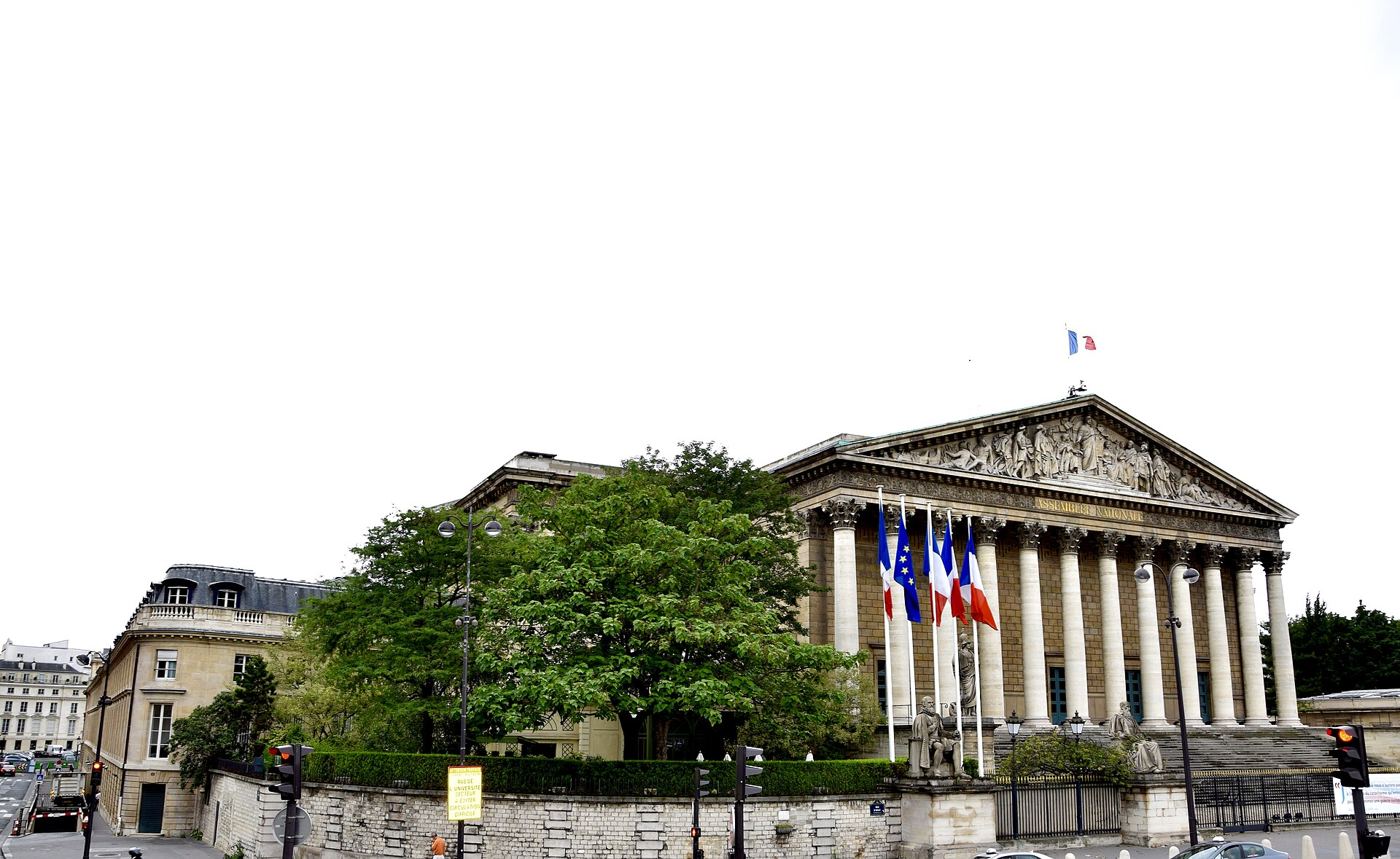
France is heading into 2027 without an agreed budget, after months of political deadlock in a hung parliament. On 4 November 2026, the National Assembly rejected the revenue section of the government’s finance bill with zero votes in favour, 458 against and two abstentions, a result that stunned even seasoned observers. Nine days later, the joint committee of deputies and senators convened to reconcile the two chambers’ texts collapsed after just ten minutes without a deal. Prime Minister Sebastien Lecornu, who was named premier in September and reappointed the following month after briefly resigning, said parliament would not be able to vote on a budget before the end of the year, and he began preparing a special law to roll over spending, tax collection and borrowing into the new year.
What the Evidence Shows
The deadlock is the latest chapter in a crisis that began with President Emmanuel Macron’s snap election in 2024, which produced a parliament with no majority. The 2026 budget itself only became law on 19 February 2026 after a similar standoff, and Lecornu’s government has survived a string of no-confidence motions only with Socialist support. France’s public deficit is forecast at 5.4 per cent of GDP in 2026, with public debt near 119 per cent, and the independent fiscal watchdog has warned that the government’s growth forecasts are optimistic. From 17 December, the government could implement the budget by ordinance, handing the decision to the executive alone. For now, the special law keeps the state running, but it leaves France’s finances in limbo. Investors have so far remained calm, but rating agencies warn that repeated budget failures could eventually raise France’s borrowing costs and strain its economy. Reporting and analysis from sources such as BBC News track the same developments, and specialists following France’s budget deadlock say the direction is now consistent across independent lines of evidence.
The Wider Context
The wider context is a public conversation conducted at a speed institutions were not built for. Developments around France’s budget deadlock are announced, contested and revised within a single news cycle, and the officials involved have learned to publish evidence alongside claims so that scrutiny can actually occur. Trust, the polling suggests, follows that transparency more than it follows confidence.
What Happens Next
What happens next in the story of France’s budget deadlock will be decided in the places where it is being implemented, measured and argued about in public. The officials and organisations involved have committed to publishing progress data, and that commitment gives residents, businesses and journalists something firmer than promises to judge. The next milestones are dated, which means they can be checked. You can follow related developments in our coverage of news.
None of this will be settled by a single announcement, study or product launch. The pattern to watch is accumulation: independent confirmations, honest reporting of failures and steady improvement in the underlying numbers. Readers who follow those signals, rather than the loudest claim of the week, will understand this subject better than most of the commentary surrounding it suggests is possible.
