
Close Menu
Journal Noted
    Facebook X (Twitter) Instagram
    Trending
    • Warehouse Robots Learn to Share Aisles Safely With Human Pickers
    • Island Volcano Eruption Sends Ash High Above the Surrounding Coast
    • Humanoid Robots Practise Balance Tasks Inside Safety Test Laboratories
    • City Parks Plant Native Trees Along Popular Walking Pathways
    • Tactile Skin Gives Laboratory Robots a Sense of Touch Worth Trusting
    • Retailers Extend Instalment Options For Big Household Purchases
    • Savers Use Notice Accounts To Balance Access And Returns
    • Humanoid Robots Practise Hospital Deliveries in Lab Trials
    Facebook X (Twitter) Instagram Pinterest Vimeo
    Journal Noted
    • Home
    • Tech
    • Health
    • Finance
    • Business
    • Culture
    Journal Noted
    Home»Tech»Drones and Gas Sensors Give Volcano Teams Eyes Inside the Crater
    Tech

    Drones and Gas Sensors Give Volcano Teams Eyes Inside the Crater

    Ines CostaBy Ines CostaNovember 4, 2026No Comments3 Mins Read
    Share Facebook Twitter Pinterest LinkedIn Tumblr Reddit Telegram Email
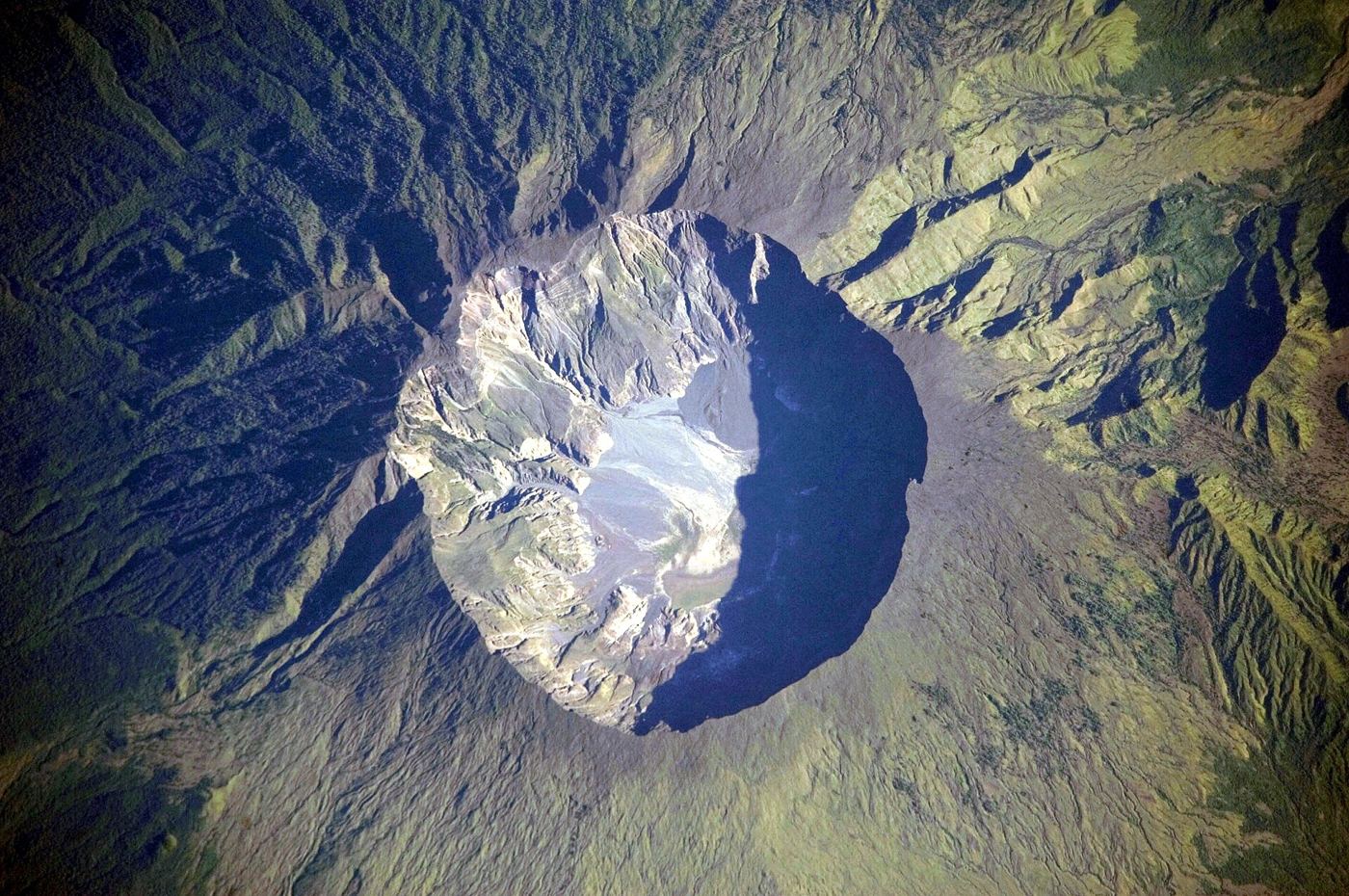
    A volcano erupts on an island, sending a tall ash cloud into the sky above the sea.

    The most dangerous place in volcanology is the crater of a restless volcano, so increasingly the visitors there are machines. Research teams now fly drones through gas plumes to sample chemistry, build detailed maps of changing crater floors and check domes of fresh lava without putting scientists on the slopes. Ground sensors work alongside them, listening for small earthquakes, measuring gases and watching the mountain swell by millimetres as magma moves below. Together, these tools give observatories a far fuller picture of an eruption building than periodic expeditions ever could, and they keep collecting through conditions, ash, darkness and toxic gas that would force human teams to withdraw for safety. The shift mirrors wider science, where remote instruments increasingly go first into places too hot, high, deep or dangerous for people to work in routinely.

    What the Evidence Shows

    The technology earns its keep in interpretation rather than spectacle. Rising sulphur dioxide, shifting earthquake patterns and ground deformation each tell part of the story, and combined data helps scientists judge whether unrest is fading or escalating. Drone surveys repeated over weeks reveal cracks, vents and deposits that signal where hazards may grow. None of this removes uncertainty, and observatory staff are careful to explain probabilities rather than predictions to nearby communities. What the instruments do provide is time and evidence: earlier warnings, better maps for evacuation planning and a record that improves understanding of the next eruption. On volcanic islands, that margin can protect both residents and visitors. For teams on the ground, the measure of success is simple: better decisions, made earlier, with fewer people exposed to danger on the mountain itself. Reporting and analysis from sources such as IEEE Spectrum track the same developments, and specialists following drone and sensor volcano monitoring say the direction is now consistent across independent lines of evidence.

    The Wider Context

    Adoption of drone and sensor volcano monitoring follows a familiar pattern with an unfamiliar speed. Early users tolerate rough edges in exchange for advantage, mainstream users arrive when the tool disappears into existing workflows, and the market consolidates around whoever made that transition feel effortless. Vendors are racing less on raw performance now than on integration, support and trust.

    What Happens Next

    The realistic forecast for drone and sensor volcano monitoring is steady integration rather than sudden replacement: embedded in products people already use, improving in increments, and regulated in proportion to its reach. The companies and institutions that plan on that basis, training staff and redesigning processes instead of chasing launches, are the ones the adoption data tends to vindicate. You can follow related developments in our coverage of technology.

    It is also worth remembering how quickly the picture in this area has changed before. Positions that looked settled a few years ago have been revised as new data arrived, and the same humility is appropriate now. The strongest coverage of this subject, and the most useful advice, tends to come from sources that update their views openly when the facts move, rather than defending an earlier position long after it has stopped fitting the evidence available.

    drones early warning volcano monitoring
    Previous ArticleOn Device AI Chips Bring Faster Features to New Smartphones
    Next Article Storm and Flood Cover Deserves a Closer Look Before Winter Arrives
    Ines Costa

    Related Posts

    Tech

    Warehouse Robots Learn to Share Aisles Safely With Human Pickers

    November 10, 2026
    Tech

    Humanoid Robots Practise Balance Tasks Inside Safety Test Laboratories

    November 9, 2026
    Tech

    Tactile Skin Gives Laboratory Robots a Sense of Touch Worth Trusting

    November 8, 2026
    Add A Comment
    Leave A Reply Cancel Reply

    Search
    Recent Posts

    Gen Z’s Vintage Craze: Nostalgia Driving a Cultural Revival

    June 24, 2025104 Views

    Heritage Cuisine as a Pillar of Cultural Identity

    June 24, 202593 Views

    CES 2025: Everyday Life Transformed by AI Gadgets

    June 30, 202576 Views

    Emerging Innovations Shaping Telehealth in 2025

    June 29, 202576 Views

    Quantum Leaps 2025: Vision to Innovation

    June 30, 202575 Views

    Best 12 Wellbeing & Mental Health Apps of 2025

    June 29, 202574 Views
    About Us

    Journal Noted offers expert insights on technology health business finance study travel reviews. A trusted platform inspiring curious minds with clear valuable content.

    Discover trends tips guides and honest evaluations designed to inform empower and engage readers seeking knowledge growth success across diverse fields and interests worldwide. #JournalNoted

    Facebook X (Twitter) Instagram LinkedIn
    Popular Posts

    Gen Z’s Vintage Craze: Nostalgia Driving a Cultural Revival

    June 24, 2025104 Views

    Heritage Cuisine as a Pillar of Cultural Identity

    June 24, 202593 Views

    CES 2025: Everyday Life Transformed by AI Gadgets

    June 30, 202576 Views
    Contact Us

    Have any questions or need support? Don’t hesitate to get in touch—we’re here to assist you!

    • Email: [email protected]
    • Whatsapp: +92 3055631208
    • Facebook: Outreachmedia

    Address: 940 S Westwood Blvd, Poplar Bluff, Missouri, United States

    • About Us
    • Contact Us
    • Disclaimer
    • Privacy Policy
    • Terms and Conditions
    • Write For Us
    • Sitemap
    Copyright © 2026 | All Rights Reserved | Journal Noted

    Type above and press Enter to search. Press Esc to cancel.

    WhatsApp us