

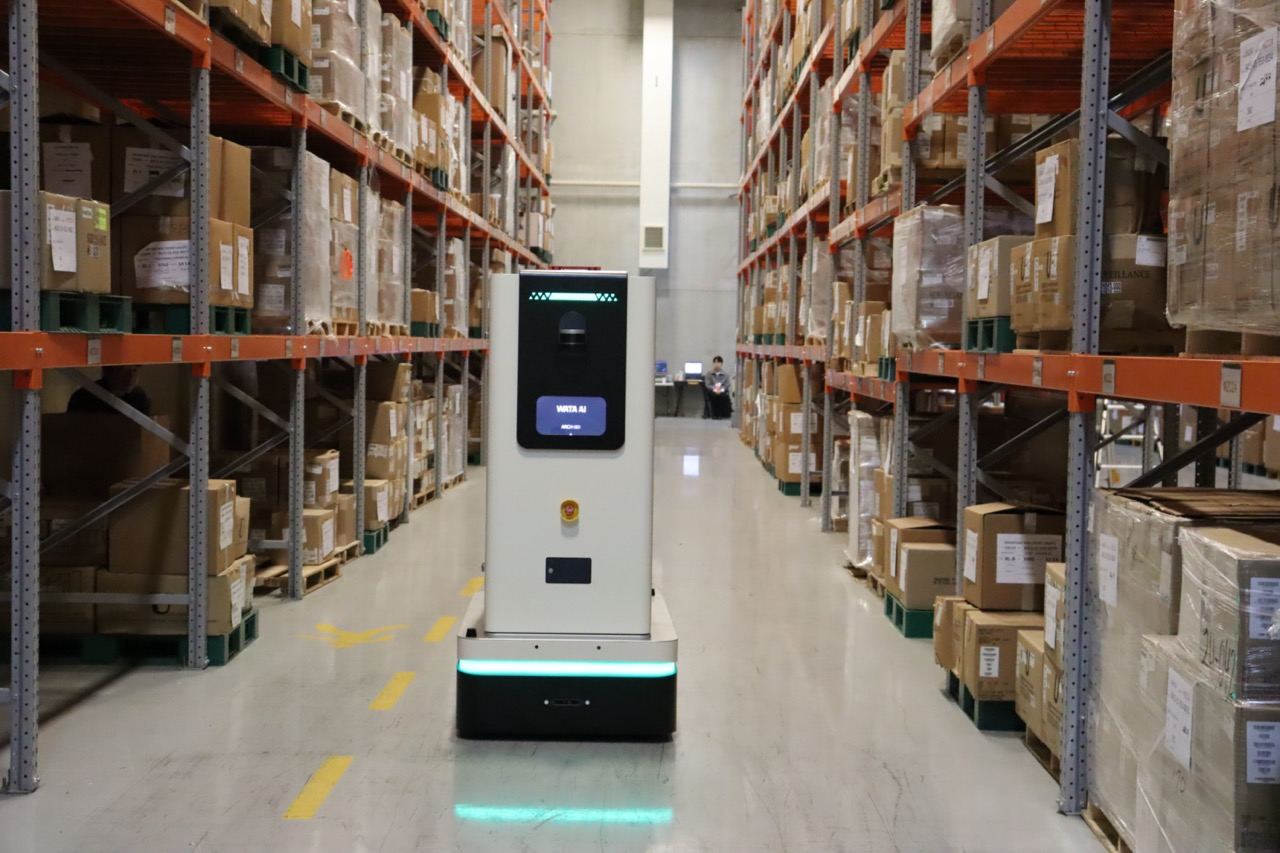
Inside large distribution warehouses, fleets of low mobile robots now carry shelving, totes and pallets toward human workers, rather than expecting people to walk miles each shift searching for products. The newest challenge is not simply moving goods faster, but sharing the same aisles safely with pickers, cleaners and maintenance staff who may step out unexpectedly. Modern warehouse robots use cameras, lidar and short-range sensors to slow down, reroute or stop, while warehouse software assigns traffic priorities much like a quiet control system for indoor roads. Managers say the benefit is clearest during busy periods, when coordinated movement reduces bottlenecks at packing stations and keeps urgent orders from waiting behind routine stock movements elsewhere in the building. Fleet software also learns from daily patterns, positioning frequently requested goods closer to packing areas before peak periods begin, which reduces travel across the building and leaves the busiest aisles clearer for people moving through them during the working shift.
What the Evidence Shows
Workers and safety specialists still insist that automation has to earn trust on the floor, through predictable behaviour, clear signals and sensible layouts that do not trap people between machines. Training has therefore changed, with staff learning how robots perceive their surroundings, where blind spots remain and when to intervene manually. Companies also have to decide what happens when systems fail, keeping manual processes available rather than assuming software will always recover gracefully. Done well, the result is less a futuristic warehouse without people than a more organised one, where machines handle repetitive travel and lifting, and people focus on checking quality, solving exceptions and keeping goods moving for customers. Unions and worker representatives increasingly ask to be involved when layouts and robot speeds are set, arguing that productivity gains should not come at the cost of constant monitoring pressure or work rates that people cannot sustain safely. Reporting and analysis from sources such as IEEE Spectrum track the same developments, and specialists following warehouse robot collaboration say the direction is now consistent across independent lines of evidence.
The Wider Context
Adoption of warehouse robot collaboration follows a familiar pattern with an unfamiliar speed. Early users tolerate rough edges in exchange for advantage, mainstream users arrive when the tool disappears into existing workflows, and the market consolidates around whoever made that transition feel effortless. Vendors are racing less on raw performance now than on integration, support and trust.
What Happens Next
The realistic forecast for warehouse robot collaboration is steady integration rather than sudden replacement: embedded in products people already use, improving in increments, and regulated in proportion to its reach. The companies and institutions that plan on that basis, training staff and redesigning processes instead of chasing launches, are the ones the adoption data tends to vindicate. You can follow related developments in our coverage of technology.
It is also worth remembering how quickly the picture in this area has changed before. Positions that looked settled a few years ago have been revised as new data arrived, and the same humility is appropriate now. The strongest coverage of this subject, and the most useful advice, tends to come from sources that update their views openly when the facts move, rather than defending an earlier position long after it has stopped fitting the evidence available.
