

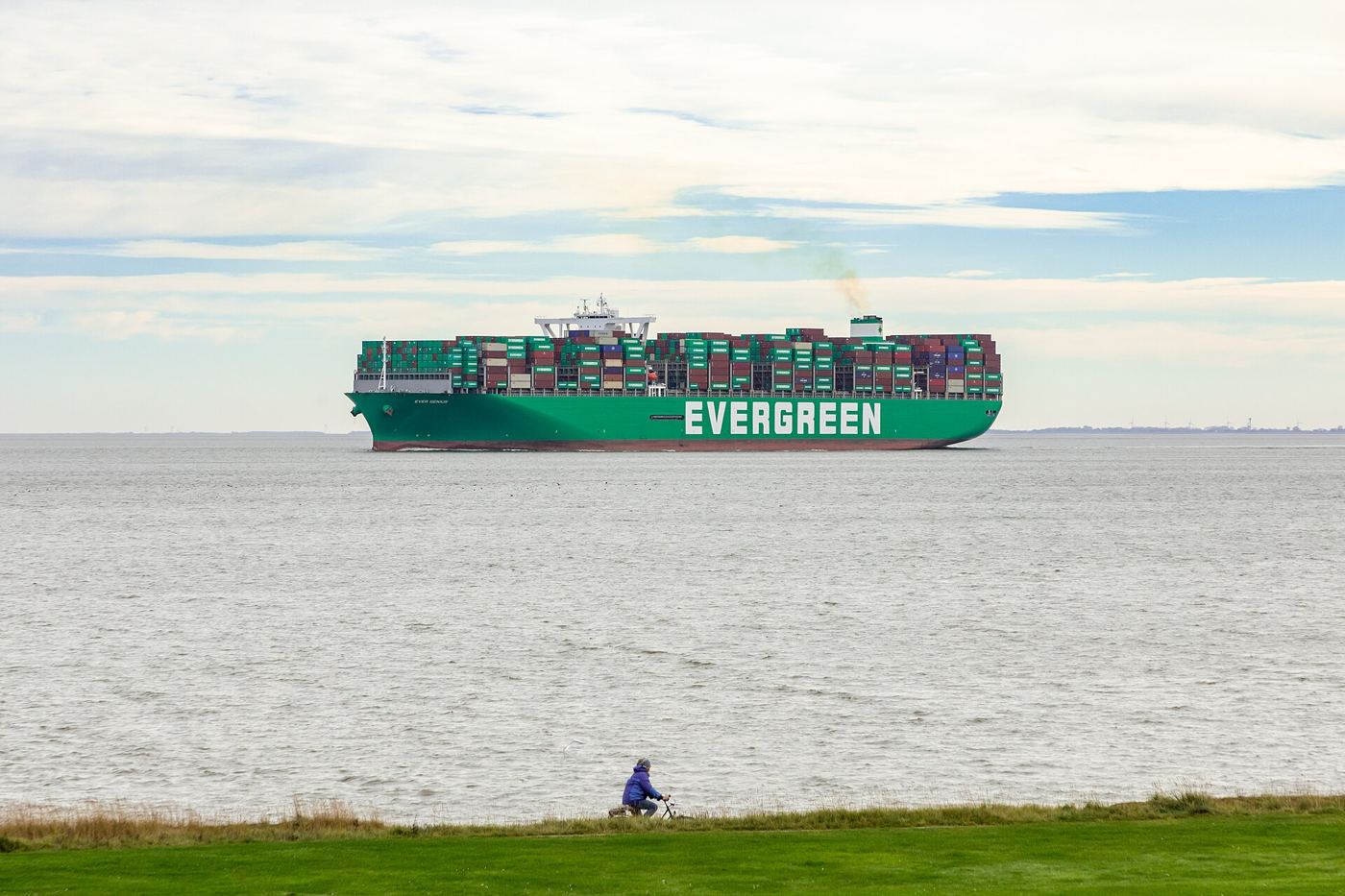
Indonesian naval authorities have seized a cargo vessel carrying 405 tonnes of sodium perchlorate, a chemical used in rocket and missile propellants, along with millions of unregistered blank mobile phone SIM cards. The Comoros-flagged vessel, MV Star Line, was intercepted in waters off Belawan, North Sumatra, on November 7 while sailing from Lianyungang Port in China to Mongla Port in Bangladesh. The Indonesian Navy disclosed the seizure on November 20 at a press briefing in Belawan. During an inspection of the ship’s 36 containers, naval personnel found 15 containers holding the chemical and 54 pallets carrying the blank SIM cards. The identities of the shipping company, cargo owners and intended recipients have not been disclosed.
What the Evidence Shows
The patrol vessel KRI Sigalu-857 stopped the ship after detecting irregularities in its navigation patterns and after it failed to respond to radio communications. Authorities also found that the vessel’s registration status had been suspended and its shipping documents were suspected of being falsified, even though the papers listed a validity date of October 8, 2027. The ship had been due to reach Mongla on November 8, but made an unscheduled stop in Indonesian waters, reportedly to refuel. A senior naval commander said the seized chemical could potentially be enough to manufacture up to 100 missiles. Bangladesh customs said no import declaration had been filed for the vessel at all. Reporting and analysis from sources such as BBC News track the same developments, and specialists following the seized cargo ship MV Star Line say the direction is now consistent across independent lines of evidence.
The Wider Context
The wider context is a public conversation conducted at a speed institutions were not built for. Developments around the seized cargo ship MV Star Line are announced, contested and revised within a single news cycle, and the officials involved have learned to publish evidence alongside claims so that scrutiny can actually occur. Trust, the polling suggests, follows that transparency more than it follows confidence.
What Happens Next
What happens next in the story of the seized cargo ship MV Star Line will be decided in the places where it is being implemented, measured and argued about in public. The officials and organisations involved have committed to publishing progress data, and that commitment gives residents, businesses and journalists something firmer than promises to judge. The next milestones are dated, which means they can be checked. You can follow related developments in our coverage of news.
None of this will be settled by a single announcement, study or product launch. The pattern to watch is accumulation: independent confirmations, honest reporting of failures and steady improvement in the underlying numbers. Readers who follow those signals, rather than the loudest claim of the week, will understand this subject better than most of the commentary surrounding it suggests is possible.
