

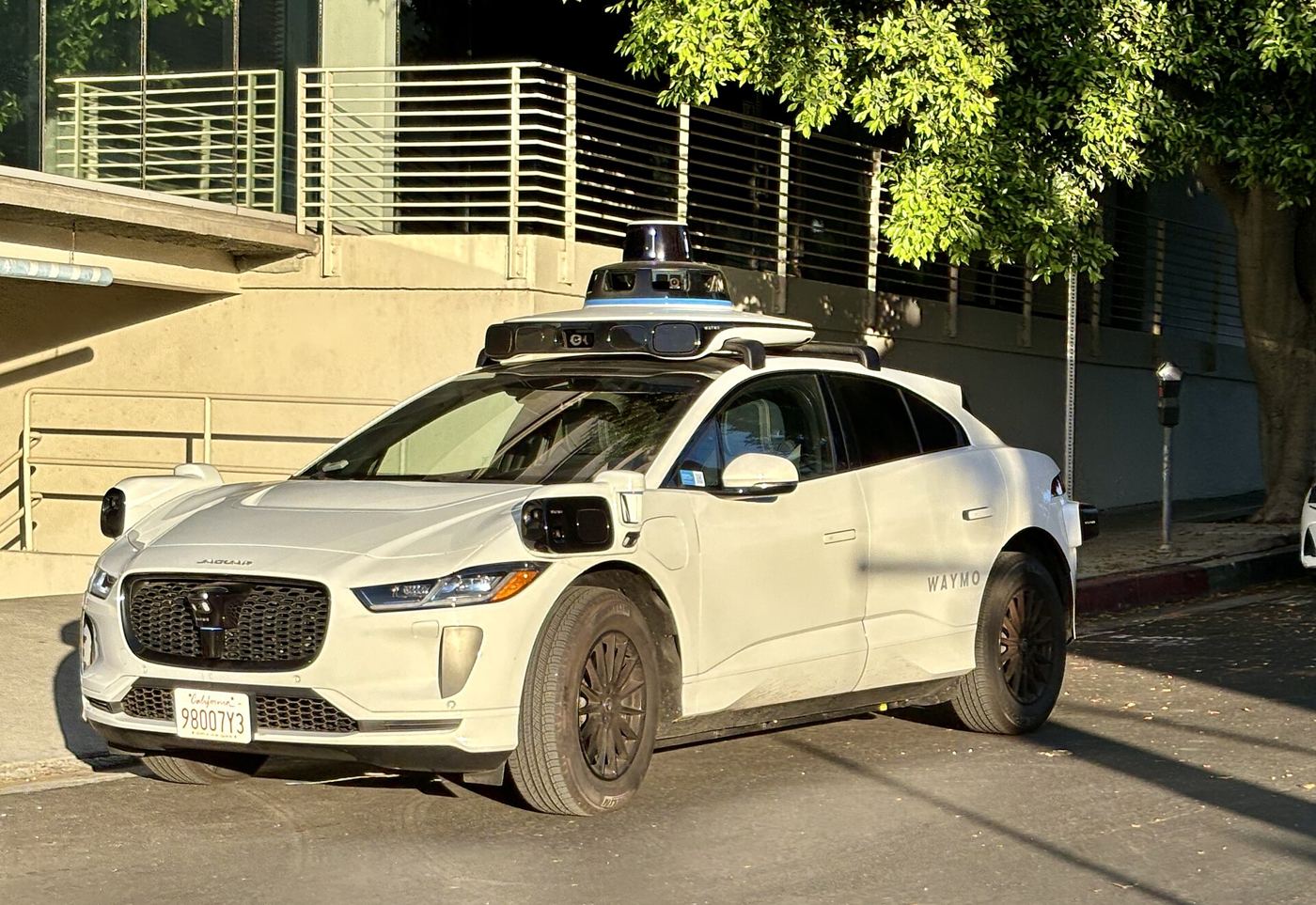
Uber, Lucid and Nuro have begun fully driverless testing of robotaxis on public roads in the San Francisco Bay Area, with no human safety driver in the vehicles. The testing, announced on 24 November 2026, uses Lucid Gravity electric SUVs running Nuro Driver, a Level 4 automated driving system. It starts in Palo Alto, Mountain View, Los Altos and Sunnyvale, before expanding to more Bay Area cities next year. The companies plan to offer driverless rides to employees soon, ahead of a commercial robotaxi service launching in the first quarter of 2027. Uber has committed to buying at least 35,000 of the Lucid vehicles with Nuro’s self-driving system over six years.
What the Evidence Shows
The driverless phase follows nearly a year of supervised testing in the Bay Area and Houston, with a human safety operator behind the wheel around the clock. Nuro received a California Department of Motor Vehicles driverless testing permit in May 2026, one of only six companies allowed to test on the state’s public roads with nobody behind the wheel. The Lucid Gravity robotaxis carry high-resolution cameras, solid-state lidar sensors and radars to perceive their surroundings. The public launch was originally planned for late 2026, so the move to the first quarter of 2027 is a slip of roughly one quarter, but the companies say the service will be bookable through the Uber app. Reporting and analysis from sources such as IEEE Spectrum track the same developments, and specialists following the Uber Nuro Lucid driverless tests say the direction is now consistent across independent lines of evidence.
The Wider Context
Adoption of the Uber Nuro Lucid driverless tests follows a familiar pattern with an unfamiliar speed. Early users tolerate rough edges in exchange for advantage, mainstream users arrive when the tool disappears into existing workflows, and the market consolidates around whoever made that transition feel effortless. Vendors are racing less on raw performance now than on integration, support and trust.
What Happens Next
The realistic forecast for the Uber Nuro Lucid driverless tests is steady integration rather than sudden replacement: embedded in products people already use, improving in increments, and regulated in proportion to its reach. The companies and institutions that plan on that basis, training staff and redesigning processes instead of chasing launches, are the ones the adoption data tends to vindicate. You can follow related developments in our coverage of technology.
It is also worth remembering how quickly the picture in this area has changed before. Positions that looked settled a few years ago have been revised as new data arrived, and the same humility is appropriate now. The strongest coverage of this subject, and the most useful advice, tends to come from sources that update their views openly when the facts move, rather than defending an earlier position long after it has stopped fitting the evidence available.
