

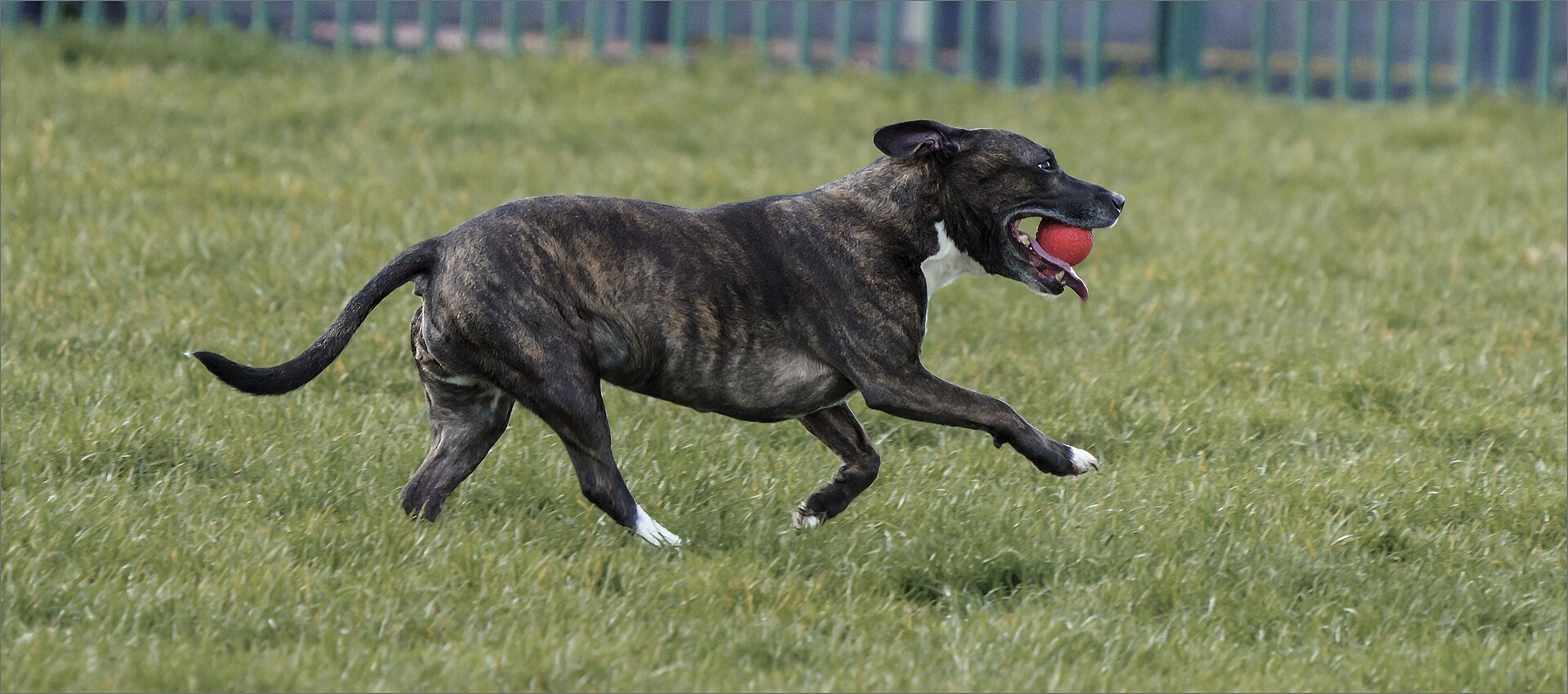
Of all the animals scientists might use to understand the human mind, the most promising may be asleep on your rug. A growing research movement, noted in our health journal, is pioneering the dog as a model for the microbiota-gut-brain axis — the biochemical conversation between gut microbes and the brain — with the aim of understanding social and affective disorders that range from anxiety to age-related cognitive decline.
The axis everyone is talking about
The gut-brain axis is not a metaphor. Gut microbes manufacture neurotransmitter precursors, ferment fibre into short-chain fatty acids that calm inflammation, and signal the brain through the vagus nerve and immune system. Disrupt the microbial community and, in study after study, mood and behaviour shift with it. The field’s problem has been translation: results in sterile laboratory mice, raised in unnatural conditions, often fail to predict human outcomes. Dogs offer the corrective. They eat in our kitchens, breathe our air, share a meaningful portion of our microbiome, and have been shaped by 15,000 years of co-evolution to read human social signals — the very domain the disorders in question affect.
A research subject with a social life
Canine studies can ask questions no rodent study can. How does gut composition relate to sociability toward strangers? To separation anxiety, noise fear, or the cognitive slowing of old age? Dogs display these traits naturally, vary enormously between individuals, and can be assessed with behavioural tests, sleep studies and even awake MRI. Samples — stool, blood, saliva — are collected without distress. Funding bodies and groups such as the American Kennel Club’s health foundation have backed the approach because the dividends are double: every insight potentially serves two species sharing one household.
Findings so far
The early literature is suggestive in the best way. Anxious dogs carry measurably different gut communities from calm ones. Diet changes and targeted probiotics move both microbial profiles and behavioural scores. Ageing dogs show the gut-brain signature — microbial drift alongside cognitive change — that gerontologists recognise from human cohorts. Perhaps most valuably, dog studies expose the social variable: the same household environment acting on two brains at once, letting researchers separate shared-environment effects from species-specific ones in a way human twin studies only approximate. Journals across the Frontiers portfolio have published a stream of this work in the past two years.
What could change in practice
Translation runs in both directions. Veterinary behaviour medicine could gain microbiome-informed nutrition and adjunct treatments for the anxiety disorders that fill its clinics — and that lead countless dogs to be surrendered. Human psychiatry gains a large-brained, long-lived, socially sophisticated testbed for interventions aimed at the gut: diets, live biotherapeutics, and faecal transplants whose behavioural effects can be observed ethically and longitudinally. Insurers and pet-care companies are paying attention; the pet microbiome market is already commercialising ahead of the evidence, which the researchers themselves caution against.
The caveats the scientists insist on
Dogs are analogues, not replicas. Breed genetics distort comparisons, canine diagnoses are behavioural proxies rather than psychiatric categories, and correlation between microbes and mood does not establish which is cause and which is effect. The field’s serious practitioners pre-register studies, publish null results, and resist the probiotic hype cycle. That discipline is precisely why the model deserves attention: it is being built carefully, in the open.
The bottom line
The dog became our oldest companion by learning to live inside human society. Science is now discovering that this makes it an unmatched witness to the biology of social life itself — microbes, brains and all. The gut-brain axis may be the first field where the laboratory comes home, and the research subject is waiting by the door.
